Small Models Are Quietly Winning the Device War
Running on the phone instead of a server cuts latency and removes a privacy question in one move, and the quality gap is closing faster than expected.
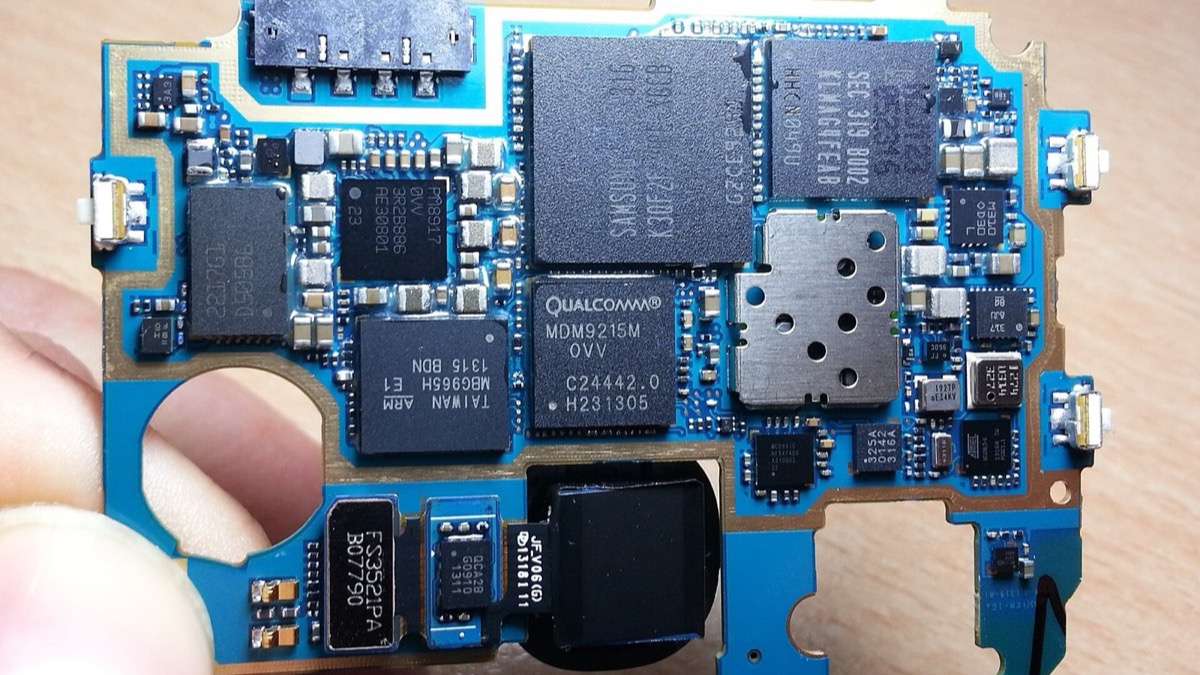
The public conversation about model size has been about capability: bigger models do more. The private conversation inside product teams has been about something else, which is where the model runs and who pays for it.
A model that fits on a phone has three advantages that do not show up in benchmark tables. It works offline. It answers in milliseconds. And the data never leaves the device, which removes an entire category of legal and reputational risk.
Where small wins outright
- Text transformation. Rewriting, summarising and classifying short passages are now good enough on-device for most users.
- Autocomplete and dictation. Latency is the product; a round trip destroys the experience.
- Anything touching personal data. Photos, messages and health records are easier to justify when they never leave the handset.

Where it still loses
Long context, complex planning and anything that needs fresh world knowledge still favour a server. The realistic architecture is not a choice between the two but a router: handle locally what can be handled locally, escalate the rest.
The interesting question is not how big the model is. It is what you can avoid sending.
The constraint engineers keep hitting is memory bandwidth rather than compute, and battery before either. That is why the next round of gains will come from quantisation and smarter caching rather than from architecture papers.