The Long Lunch Is Coming Back, One Hybrid Week at a Time
When the commute is two days instead of five, the midday hour stops being a scheduling problem and starts being a benefit.
The hour between twelve and two used to be the most over-scheduled part of the office day: a sandwich at the desk, a meeting that ran long, a walk that got cancelled. Hybrid work did not create more time. It changed which days the time is attached to.
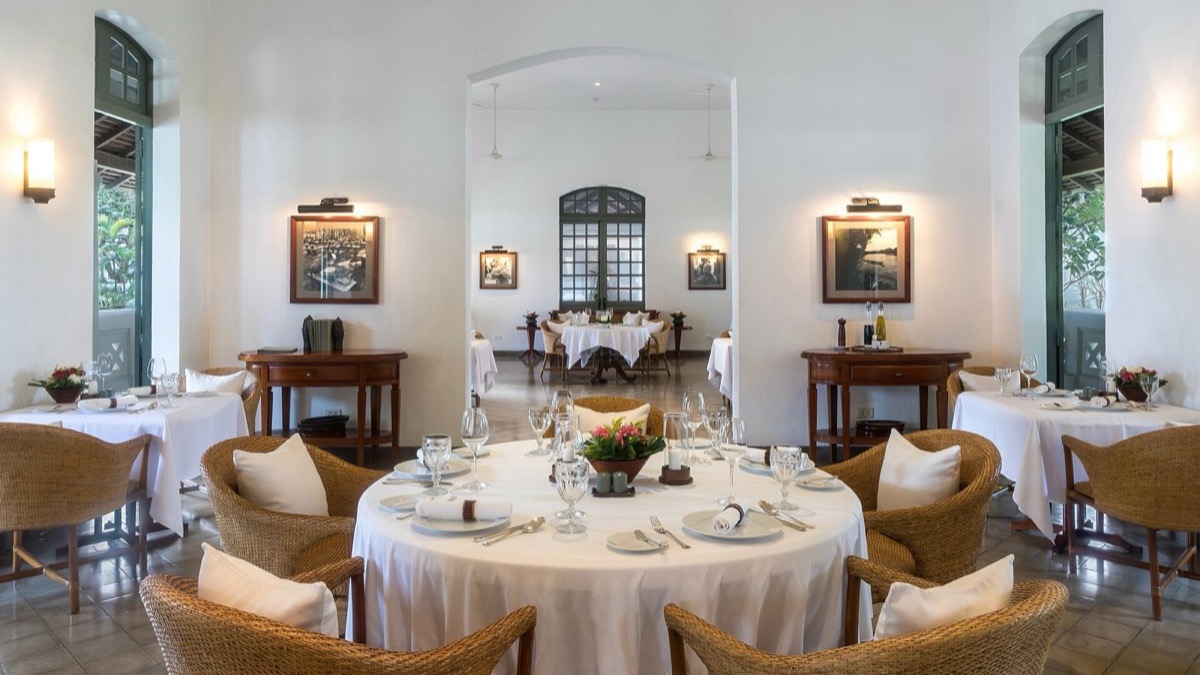
Restaurants in city centres report a pattern that looks odd on a spreadsheet. Total weekday covers are down, but average spend per cover on Tuesday to Thursday is up, and the tables stay occupied longer.
The arithmetic of a two-day commute
If you are in the office twice a week, the cost of stepping out for ninety minutes is not the ninety minutes. It is the ninety minutes you are not spending on the thing you came in for. That changes the calculation in both directions: some people guard the midday hour fiercely, and others use it for the only face-to-face conversation they will have all week.

What employers are noticing
- Meeting blocks have consolidated, leaving fewer but longer gaps.
- Teams that eat together once a week report better handovers than teams that do not.
- The people who lose most are those with long commutes on their office days, who treat lunch as dead time by necessity.
The long lunch is not a perk. It is what happens when a day has fewer interruptions in it.
Whether it lasts depends on something less romantic than culture: whether companies keep the two-day pattern, or quietly slide back to five. The restaurant owners are betting on two.