Why Libraries Are Adding Repair Desks
Toasters, lamps and laptops arrive on Saturday mornings. The waiting list is longer than it is for new releases.
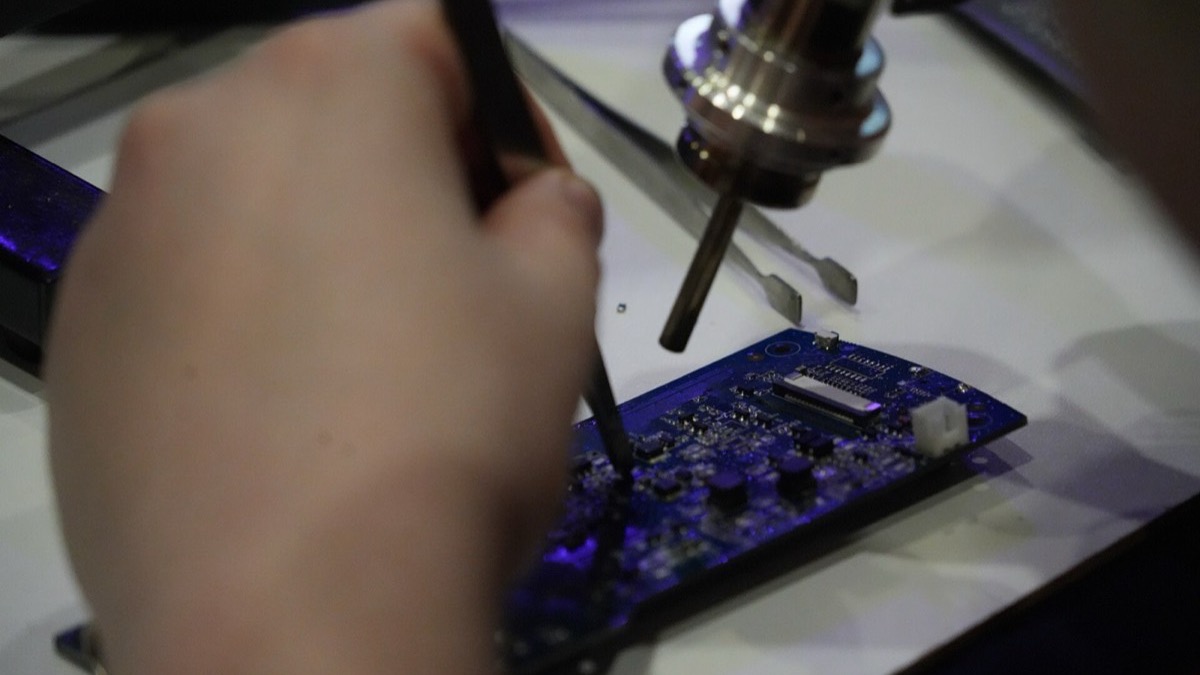
The table is set up between the reference section and the children's room. On it: a broken kettle, a desk lamp with a frayed cord, a laptop that will not charge, and a queue of people holding things they would rather not throw away.
Repair cafés are not new. What is new is that libraries are hosting them as a standing service rather than a monthly event, and that the demand has outgrown the volunteers.
Why the library
Three practical reasons. Libraries already have public insurance, a booking system and a room that people are not embarrassed to walk into. They also have a reference desk, which turns out to be the right model: you come with a question, not a purchase.

- Small appliances dominate: kettles, lamps, fans, hair dryers.
- The most common fault is a failed switch or a broken cable, not a dead motor.
- Roughly two thirds of items are returned to service the same day.
People do not come for the repair. They come because someone is willing to look at it with them.
The constraint is skills, not space. A library can host a desk; it cannot manufacture electricians. The model that scales pairs one paid coordinator with a rota of volunteers, and accepts that the queue will always be longer than the capacity.